
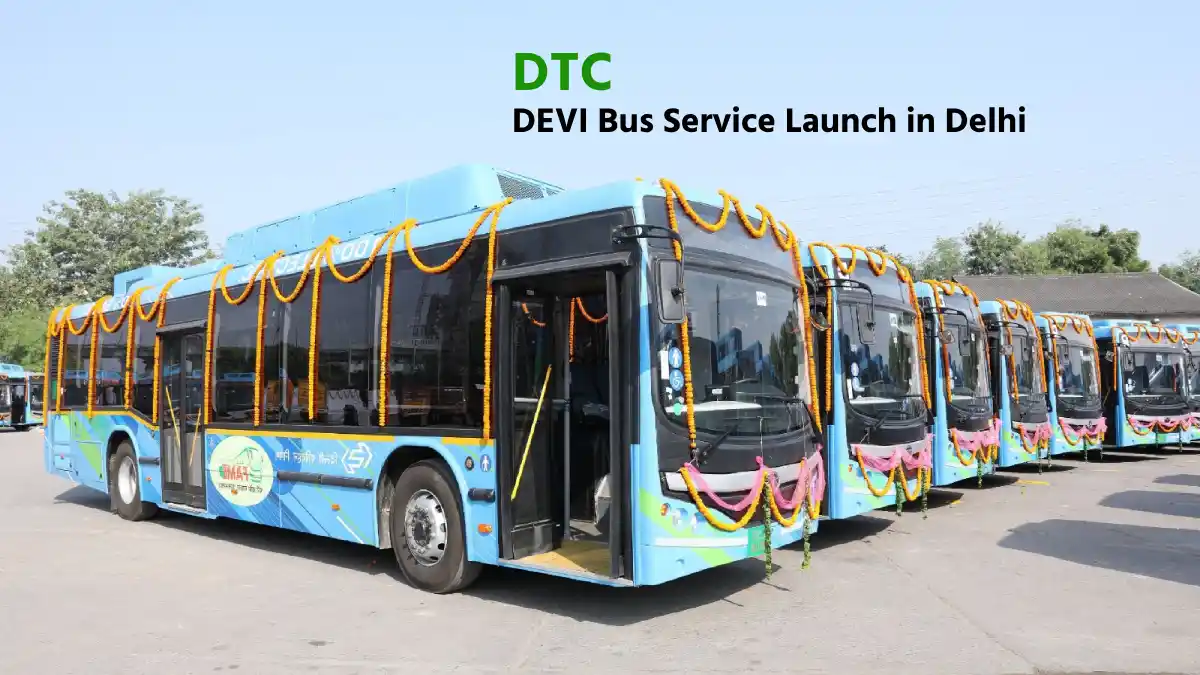
In a major boost to public transport, the DEVI (Delhi Electric Vehicle Interconnector) Bus Service has officially launched, bringing 400 new Electric Buses to the city’s roads. This initiative main goal is to improve ‘last-mile connectivity’, particularly in areas where larger buses struggle to operate.
What Makes DEVI Buses Special?
The DEVI buses consists of 9-meter-long, designed to navigate narrow streets and high-density residential areas. These buses will serve as ‘Feeder Services’ to major Delhi Transport Corporation (DTC) routes and Metro Stations, ensuring smoother commutes for passengers.
Several key improvements in The DEVI buses feature over conventional buses, such as:
- Modern Ticketing systems compatible with mobility cards for seamless transactions
- Zero-emission operation, electric technology
- Disability-friendly design** featuring wheelchair ramps and priority seating
- Low-floor design for easy accessibility
- GPS-enabled real-time tracking through Delhi Metro app integration
- Air conditioning and USB charging ports and improved passenger comfort
Key Features of the DEVI Bus Service
Compact Design: The fleet primarily consists of 9-meter-long buses, suitable for navigating narrower streets and congested neighborhoods. Additionally, a few 12-meter buses have been included to compensate for approximately 700 end-of-life vehicles recently retired from the Delhi Transport Corporation (DTC) fleet.
Enhanced Accessibility: Each DEVI bus is equipped with 23 seats, including six reserved exclusively for women, and can accommodate 13 standing passengers. Features such as motorized ramps and low-floor designs ensure accessibility for differently-abled passengers.
Advanced Safety Measures: The buses are fitted with CCTV cameras, live tracking systems, panic buttons, and other safety features to ensure passenger security.
Operational Efficiency: With a battery capacity of 196 kWh, each bus boasts a range exceeding 225 kilometers, allowing for efficient daily operations.
Affordable Fare Structure: Fares range between ₹10 and ₹25, with free travel provisions for women passengers, promoting inclusivity and affordability.
Where will DEVI Buses Operate?
The initial batch of DEVI buses will operate from depots in Ghazipur, Nangloi, and East Vinod Nagar, covering routes of approximately 12 kilometers. These buses will replace all end-of-life 700 vehicles that were recently removed from the DTC fleet.
Deployment and Routes:
These DEVI electrical buses are set to serve routes from Kushak Nallah that include Nehru Place to Madanpur Khadar, Hauz Khas to Hamdard Nagar JJ Colony, and Nizamuddin to Greater Kailash metro station, among others.
Government’s Vision for Public Transport
Delhi’s CM stressed that the move towards electric buses is an important step towards reducing pollution and making public transport more sustainable. By the end of the year, the government intends to add 2,080 more electric buses to the city’s environmentally friendly transportation system.
Rebranded Initiative
DEVI Bus Service, originally conceived as “Mohalla Bus Service” under the previous government, the project has now been rebranded as ‘DEVI’ under the new government. The goals is still the same—to enhance accessibility and offering efficient transportation options to areas with limited service.
Upcoming DEVI bus service launches within Delhi city promise a transformation of urban transportation that will produce a smarter sustainable travel system for local residents.